
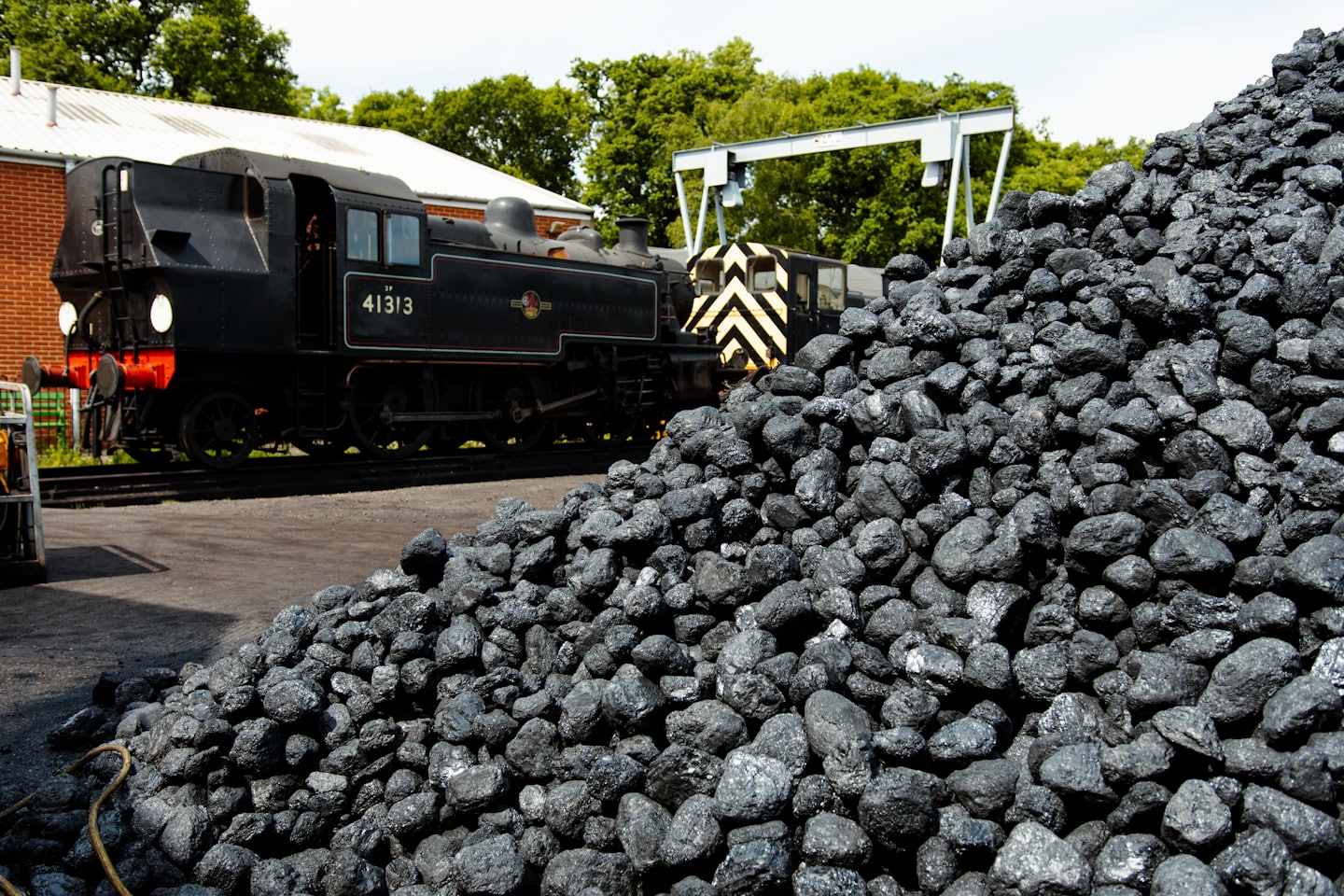
For about two years now, the environment surrounding needle coke and carbon production has been increasingly deteriorating, with the shutdown of Tokai Carbon's Shiga plant, the fire at Nippon Carbon's Toyama plant, and finally Mitsubishi Chemical's withdrawal from its coke business, including needle coke, in Sakaide at the end of next year.
Meanwhile, demand for data centres in response to AI, and demand for batteries other than for electric vehicles, are significantly boosting demand for semiconductors and batteries, thereby invigorating so-called "specialty carbon" demand. In the steel industry, there is a shift from blast furnace steelmaking to electric arc furnace steelmaking. While the supply of carbon and graphite as raw materials is tending to decrease due to reduced coke production, demand for graphite electrodes is likely to start increasing. Furthermore, the government's support for the shipbuilding industry is also expected to boost demand for steel materials.
Ironically, just as companies have adjusted to the decline in the carbon and graphite industry, demand is increasing.
On the other hand, China has recently imposed an effective export ban on a considerable portion of its graphite materials to Japan, and conversely, Japan has imposed anti-dumping duties on Chinese graphite electrodes since last year, creating a situation where it is difficult for graphite to enter Japan from both sides.
India will remain a carbon and graphite producer in Asia, and it appears to have managed to avoid anti-dumping duties in the US, with exports to the US taking priority over those to Japan.
I intend to conduct an analysis using numbers in future, but at present in Japan, the situation is interconnected in a distorted way, and as a result, it is expected that there will be a significant decrease in needle coke and pitch coke production by the end of next year, creating a shortfall in demand that domestic production alone will not cover. The current situation in Iran is also believed to be exacerbating the factors hindering carbon and graphite production, and I can only pray that this does not prolong.
Summary of key points
Looking at Japan as a whole, demand for carbon and graphite appears to be recovering. However, it is quite a regrettable situation, though perhaps unavoidable, that manufacturing capacity has been physically reduced in recent years, and to make matters worse, even raw material production capacity is tending to decrease.
When considering the future, it comes down to how to secure "reliable" overseas sources, but is it still possible in time?
Leave a Reply