
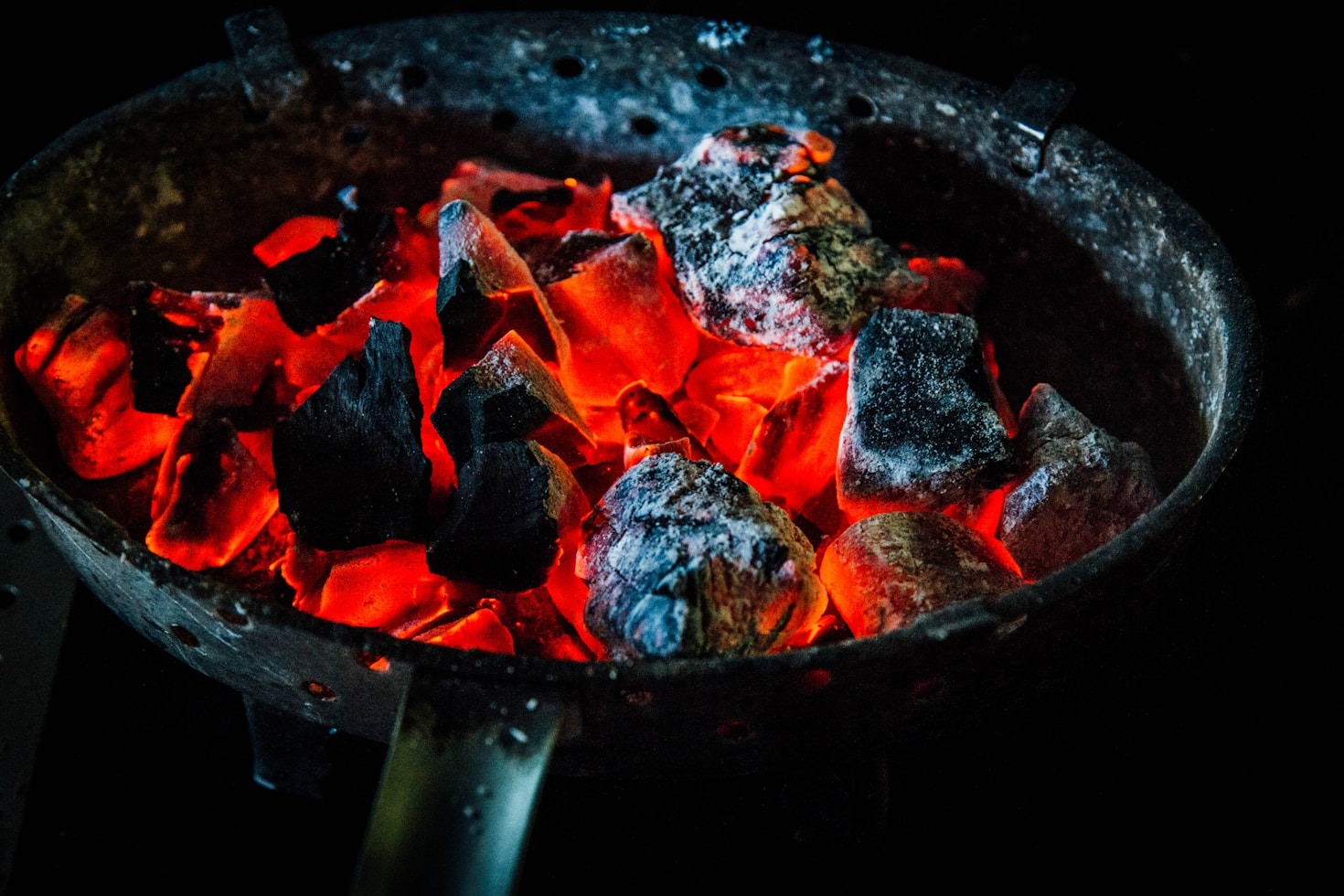
Not only metals that are basic materials such as iron, aluminium, and copper, but also silicon and silicon carbide, which are the base materials for semiconductors, and various other metallic materials, including rare earths, require high energy (approx. high temperatures) for smelting and product manufacturing. Electricity is what creates this high-energy state, and carbon and graphite are what convert and mediate that electricity into heat.
Petroleum and coal are primarily used as raw materials for the manufacture of graphite and carbon; however, these have traditionally been recovered in large quantities as residues from crude oil refining and by-products from coal coking. Nevertheless, due to the global trend towards decarbonisation, such as the shift from blast furnace methods to electric arc furnace methods in steel manufacturing, the generation of coal tar has been decreasing year by year.
In the 1990s, more than 2 million tonnes of coal tar were produced in Japan alone.
Thirty years later, it's now around 1.25 million tonnes.
While graphite and carbon products made in Japan have supported the country's metallurgy industry, these materials are becoming indispensable resources for the maintenance and development of Japan's advanced metallurgy industry.
Leaving petroleum residue aside, coal tar cannot be easily imported from abroad due to its nature, which requires it to be transported while heated and maintained at around 100°C. In that case, the only option for the graphite and carbon products that are in short supply domestically is to import them not in their liquid raw material form, but as processed graphite and carbon materials or finished products.
That said, countries that manufacture graphite and carbon materials and products are limited to regions and countries with active blast furnace ironmaking and petroleum refining, such as Europe (Germany, Spain, Italy, etc.), the United States, China, and potentially India in the future.
The hidden key to the high-tech industry
Considering the future direction of Japanese industry, graphite and carbon will continue to be indispensable for the production of advanced ferroalloys, gold, silver, copper, aluminium, rare earths, magnesium, titanium, and their alloys.
Leave a Reply